Frigate runs its object detection on whatever the camera hands it, so the camera decides what the whole system can actually see. The best PoE cameras for Frigate are not the ones with the biggest megapixel number; they are the ones that hand it a clean, reliable stream. The accelerator you pick (a Hailo or an Intel iGPU) sets how fast detection runs, but the camera sets the resolution, the night image, and whether the stream stays up at all. Get the camera wrong and no amount of TOPS rescues the footage.
The single spec that matters most for Frigate is not megapixels. It is whether the camera exposes a separate, low-resolution substream you can point at Frigate’s detect feed while the high-resolution main stream handles recording. Frigate’s own docs say to feed detection a small image (the model works at 320×320, so a 1280×720 substream is plenty) and let recording keep the full resolution. A camera that lets you configure that second stream independently is worth more to Frigate than one with a bigger sensor and a locked stream.
That is why this list leans toward Dahua-family turrets (sold in the US as EmpireTech and Amcrest), which Frigate’s hardware page calls out by name for rock-solid streams and configurable substreams. Reolink earns a place too, but only on the models that behave, and with one setting flagged up front. Every pick below is PoE, records locally with no cloud subscription, and works as a plain RTSP or ONVIF source that Frigate can pull through go2rtc.
We checked every spec here against Frigate’s current hardware docs and each manufacturer’s datasheet in June 2026, and matched the streaming notes to what Frigate users actually report.
The quick picks
If you want the answer without the reasoning, here is where each camera wins. Prices are rough bands because they move; check the live price at each link.
- Best overall: EmpireTech IPC-T5442T-ZE (~$105 to $135). A 1/1.8″ starlight sensor, a varifocal lens to frame the scene, and the clean Dahua substream Frigate users rely on.
- Best value in 4K: Amcrest IP8M-T2599EW (~$90 to $110). 4K, standard RTSP, configurable substream, around a hundred dollars.
- Best budget pick: Reolink RLC-520A (~$50 to $65). The 5MP H.264 Reolink that stays out of trouble with Frigate.
- Best for color at night: EmpireTech IPC-Color4K-T (~$200 to $280). A huge 1/1.2″ sensor plus warm LEDs for true 24/7 color.
- Best PTZ for autotracking: EmpireTech PTZ1A4M-4X (under ~$180). The current version of the exact camera Frigate used to develop autotracking, so relative movement works.
- Best PoE doorbell: Reolink Video Doorbell PoE (~$90 to $110). The one PoE doorbell with a documented, working Frigate setup.
How we picked these for Frigate specifically
A generic “best 4K camera” list optimizes for the wrong thing. Frigate has its own requirements, and they decide which cameras are pleasant to run and which fight you. We weighed four traits, in this order.
First, a configurable substream. Dahua-family cameras expose the detect stream as a simple URL change, subtype=1 instead of subtype=0, and let you set its resolution and frame rate in the web UI. You point Frigate’s detect role at the substream and its record role at the main stream:
rtsp://admin:[email protected]:554/cam/realmonitor?channel=1&subtype=0   # main, for recording
rtsp://admin:[email protected]:554/cam/realmonitor?channel=1&subtype=1   # sub, for detection
Second, the codec. Frigate’s docs state plainly that H.264 offers the most compatibility with all features, including Home Assistant playback. H.265 saves storage and most of these cameras support it, but if a camera is H.265-only you may need extra handling for Apple devices. Where a model gives the choice, we note it.
Third, the stream has to stay up. PoE beats WiFi here, which is why every pick is wired. Frigate explicitly discourages WiFi cameras because their streams drop, and a dropped stream is a gap in your recording. This is also where the Reolink caveat lives: on its high-resolution models the substream is locked too small, and the RTSP can stutter, so Frigate users stick to 5MP-and-under Reolinks or feed them over http-flv.
Fourth, the sensor over the megapixel count. Frigate’s own advice is that a larger sensor beats a higher resolution, especially at night, because detection loses the extra pixels when it resizes the image anyway. A 4MP camera with a 1/1.8″ sensor will out-detect an 8MP camera with a tiny sensor once the sun goes down.
The cameras at a glance
| Camera | Sensor / resolution | Lens | Configurable substream | Night | Price band | Best for |
|---|---|---|---|---|---|---|
| EmpireTech IPC-T5442T-ZE | 1/1.8″ 4MP | Varifocal 2.7 to 12mm | Yes (subtype=1) | Starlight IR | ~$105 to $135 | The all-round Frigate pick |
| Amcrest IP8M-T2599EW | 1/2.7″ 8MP (4K) | Fixed 2.8mm | Yes (subtype=1) | IR to ~98ft | ~$90 to $110 | 4K on a budget |
| Reolink RLC-520A | 1/2.7″ 5MP | Fixed 4mm | Adjustable bitrate | IR | ~$50 to $65 | Cheapest safe entry |
| EmpireTech IPC-Color4K-T | 1/1.2″ 8MP (4K) | Fixed 2.8mm F1.0 | Yes (subtype=1) | 24/7 full color | ~$200 to $280 | Color at night |
| EmpireTech PTZ1A4M-4X | 1/2.8″ 4MP | Varifocal 2.8 to 12mm, 4x | Yes | Starlight IR | under ~$180 | PTZ with autotracking |
| Reolink Doorbell PoE | 5MP-class (2K) | Fixed wide | Yes | IR | ~$90 to $110 | A front door |
Best overall: EmpireTech IPC-T5442T-ZE
This is the camera that shows up again and again in Frigate setups, and for good reason. It pairs a large 1/1.8″ 4MP starlight sensor with a varifocal 2.7 to 12mm lens, so you frame the scene by zooming the lens instead of buying a different camera for a far corner. It is a Dahua under the EmpireTech label (you will also see it as the IPC-T54IR-ZE-S3), which means the standard Dahua RTSP, a clean configurable substream, and the rock-solid streaming Frigate’s docs praise.
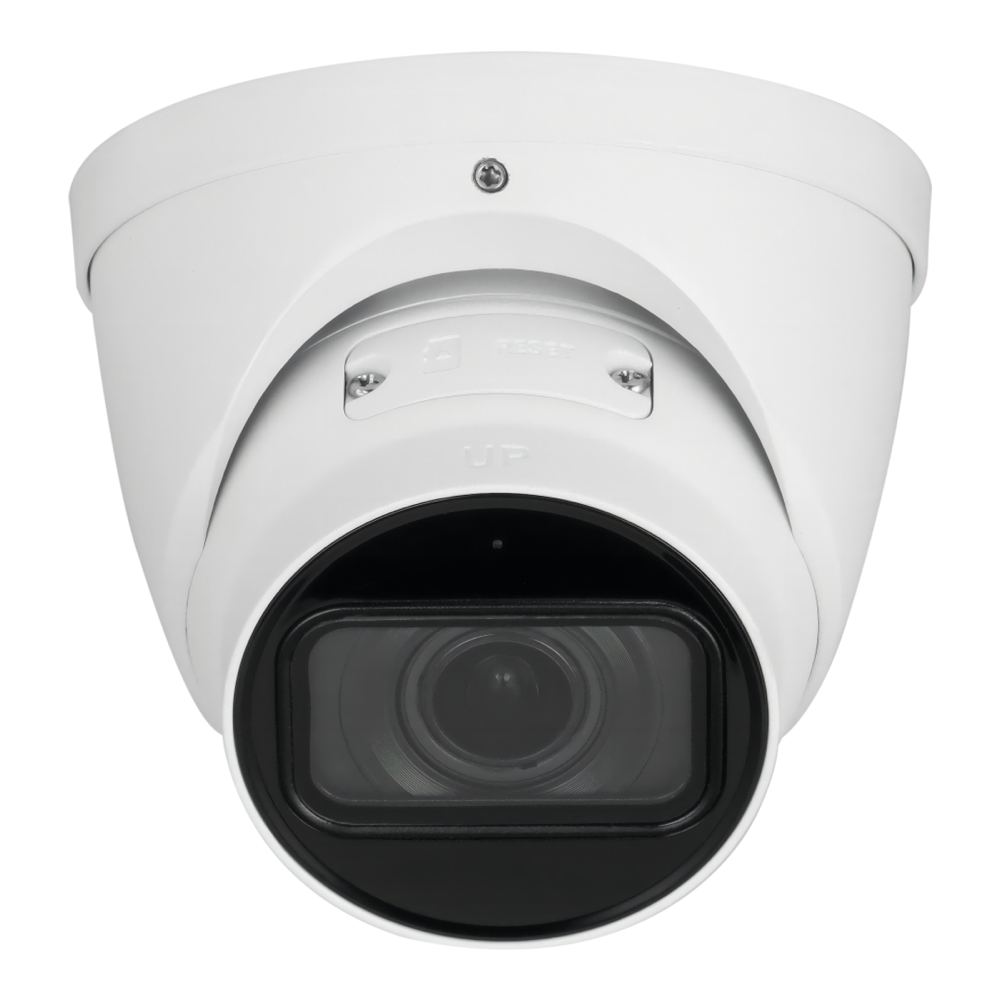
The 4MP-on-a-big-sensor trade is deliberate. Against an 8MP camera with a smaller sensor, this one holds detail better at night, which is exactly when you want detection to fire. Who it is for: anyone building a new Frigate system who wants one camera model to standardize on. Skip it if you specifically need 4K resolution for license plates at distance, or you are trying to stay under $80 a camera. If you prefer the Reolink ecosystem and still want the varifocal flexibility, the Reolink RLC-811A is the closest equivalent, though its 4K stream needs the Reolink handling described below. Check the current price before buying.
Best value in 4K: Amcrest IP8M-T2599EW
Amcrest cameras are rebranded Dahuas, which Frigate’s docs note directly, so you get the same standard RTSP and configurable substream as the EmpireTech picks at a lower price. The IP8M-T2599EW is a 4K turret with a fixed 2.8mm wide lens, infrared to around 98 feet, and the AI-version onboard person and vehicle detection that Frigate can read over MQTT if you want a second opinion alongside its own model.
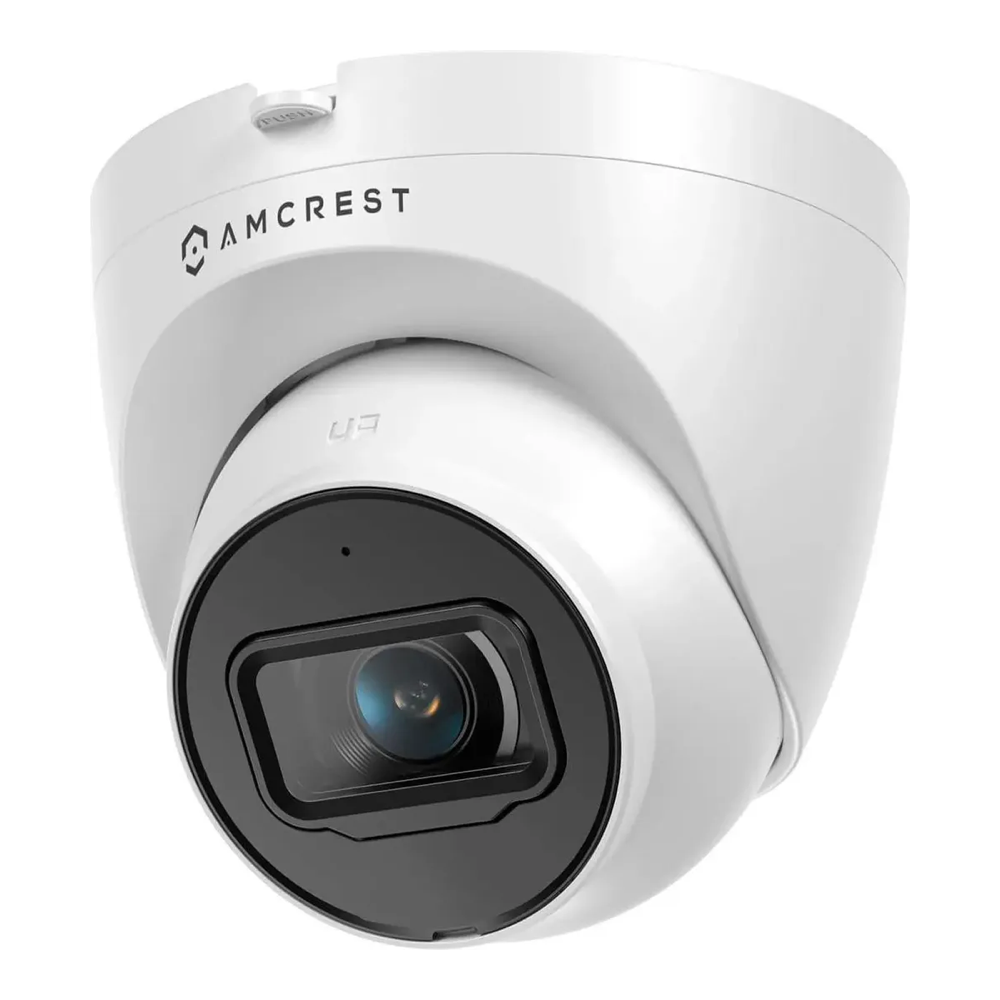
The honest trade against the overall pick is the sensor. At 4K on a smaller 1/2.7″-class sensor, daytime detail is excellent but low light is a step behind the big-sensor 4MP turret. For a well-lit driveway or a porch with a light, that is a fine compromise for the price. Who it is for: someone who wants 4K coverage and standard Dahua behavior near the $100 mark. Skip it if the scene is dark and unlit, where the larger sensor earns its money. The live price is usually close to the manufacturer’s hundred-dollar list.
Best budget pick: Reolink RLC-520A
The cheapest camera here that still behaves with Frigate. The RLC-520A is a 5MP fixed-lens turret, and 5MP is the line Frigate’s docs draw for Reolink: at this resolution and on H.264, Reolink streams are reliable, where the 4K-plus Reolinks get flagged for problems. Feed it over http-flv, which Frigate notes is the most reliable transport for Reolink, set the camera to “fluency first” with an I-frame interval of 1x, and it just runs.
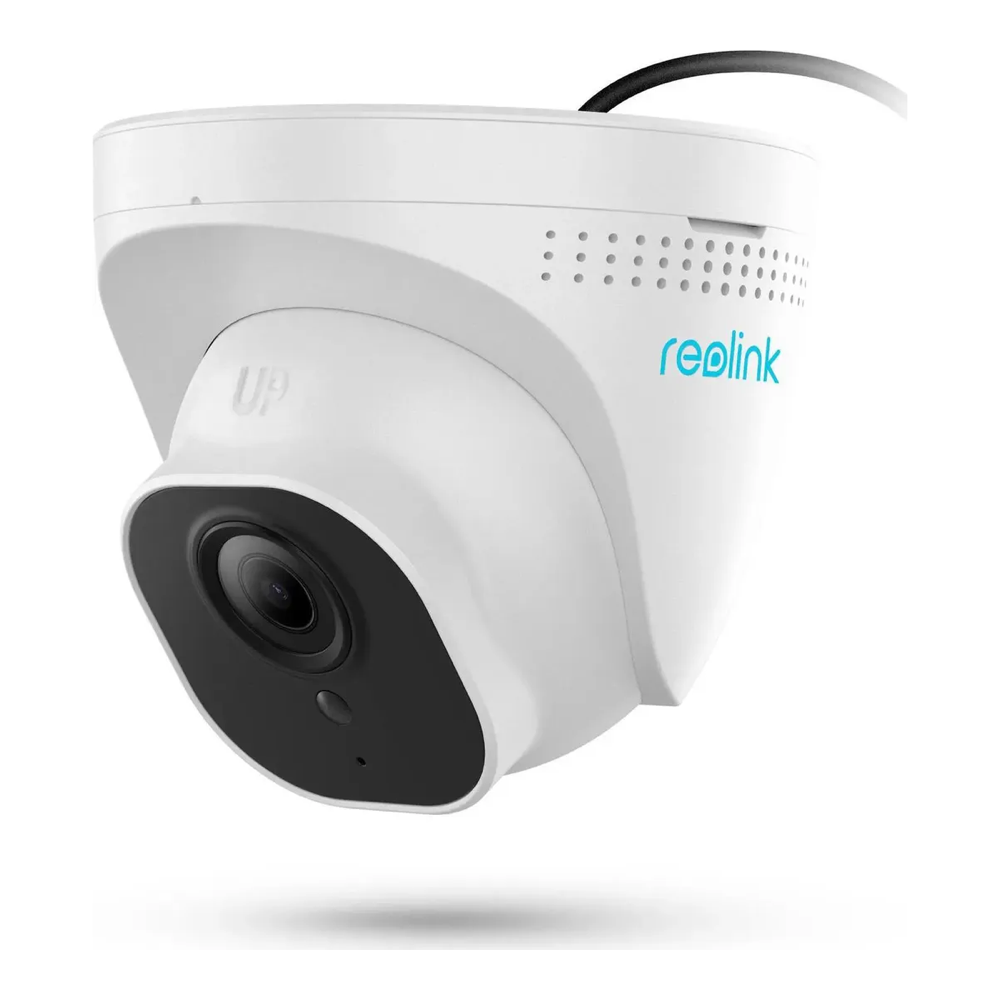
It does not have a large sensor or a varifocal lens, so it is a daytime-and-IR workhorse rather than a low-light star. But at this price you can put cameras on every side of a house and let Frigate watch them all. Who it is for: a first Frigate build, or filling in secondary angles cheaply. Skip it if you want color at night or the configurability of the Dahua substream. Confirm the current price, as the 520A often dips on sale.
Best for color at night: EmpireTech IPC-Color4K-T
When you want a usable color picture in the dark instead of grey infrared, this is the camera. It carries a very large 1/1.2″ 8MP sensor behind an F1.0 lens and pairs it with warm white LEDs, so it delivers full color 24 hours a day rather than switching to IR at dusk. For identifying clothing colors or a car’s paint at night, that is the difference between useful footage and a guess.
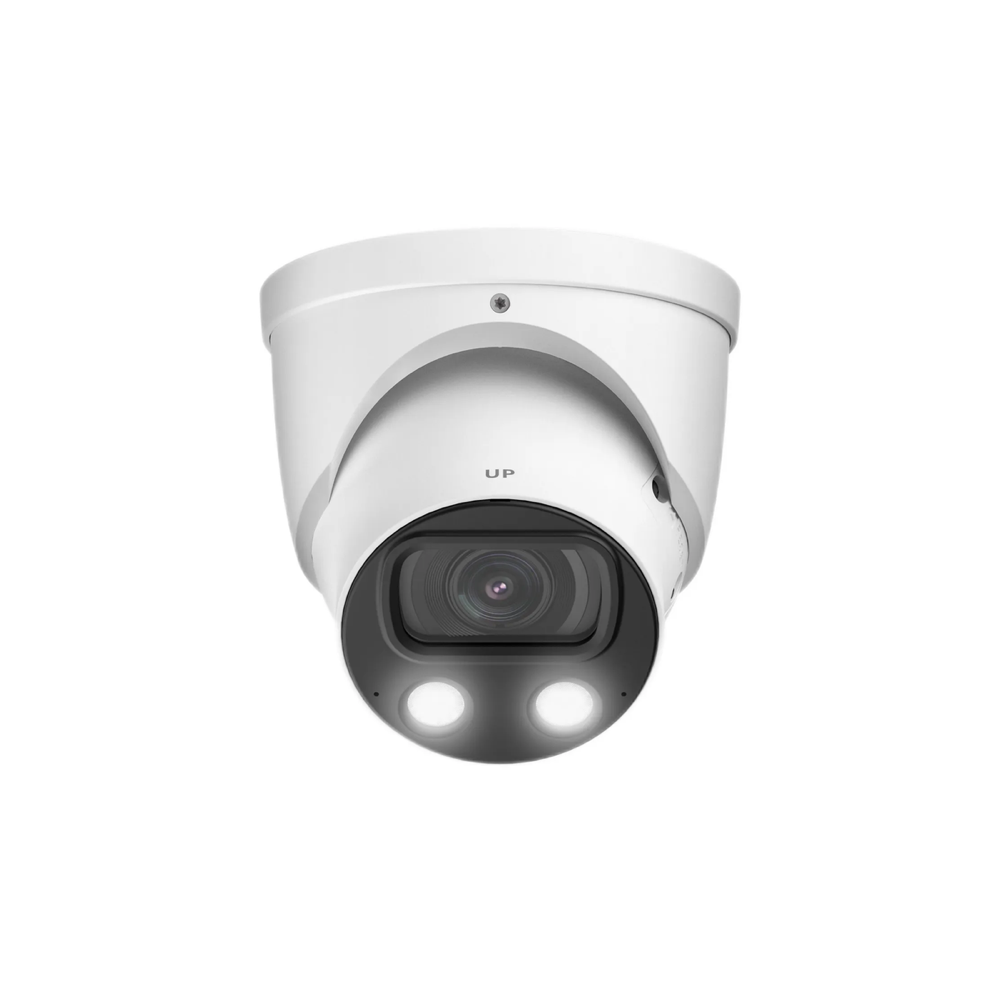
It is the priciest pick, and the warm LEDs are visible at night, which suits a driveway or entry better than a bedroom-facing wall. Some users nudge a color offset in go2rtc, but the stream itself is standard Dahua. Who it is for: the one or two scenes where night color genuinely matters, like a driveway or front path. Skip it if your budget is tight across many cameras, or the area is already well lit, since a cheaper turret will do. The price tracks the manufacturer’s list closely.
Best PTZ for autotracking: EmpireTech PTZ1A4M-4X (Dahua SD1A404XB-GNR)
If you want a camera that pans, tilts, zooms, and follows a moving person, the PTZ has to speak the right ONVIF dialect, and most do not. Frigate’s autotracking needs relative movement support, and this model is the current version of the exact camera Frigate’s developers used to develop the feature (the original Dahua SD1A404XB-GNR). That is as close to a guarantee as this hobby offers: autotracking was written against this hardware.
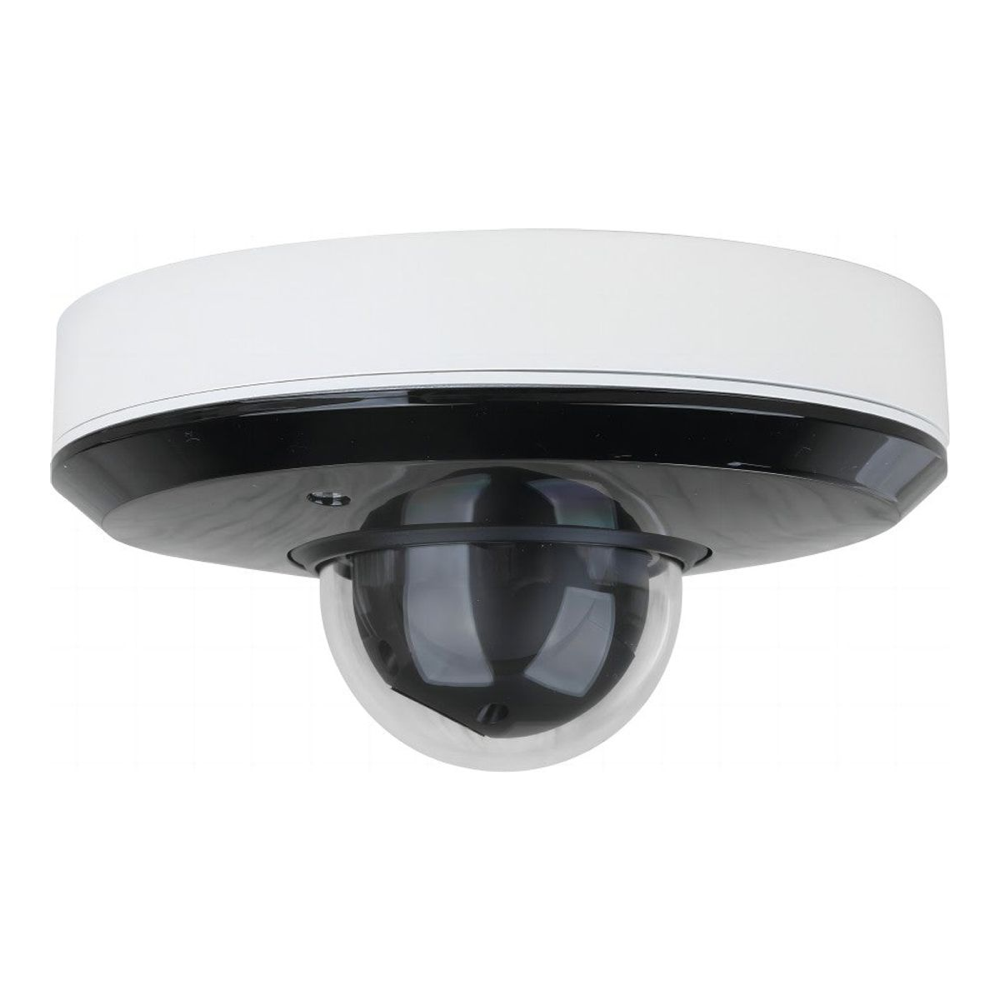
This is also the place to warn off a tempting alternative. The Reolink TrackMix PoE looks like a bargain dual-lens PTZ, but its native RTSP is unstable in Frigate and it does not support the ONVIF relative movement autotracking needs, so the headline feature simply does not work. Who it is for: one overview position where you want Frigate to track a subject across a wide area. Skip it if you only need fixed coverage, since a turret is cheaper, simpler, and has nothing to wear out. Check the current price, which usually sits under $180.
Best PoE doorbell: Reolink Video Doorbell PoE
Doorbells are the hardest category to get working in Frigate, because most are battery WiFi units locked to a vendor cloud. The Reolink Video Doorbell PoE is the exception with a documented path: it is wired, it exposes RTSP and ONVIF, and the Frigate community has a working recipe that runs http-flv for stable video and adds a second RTSP stream purely for the two-way audio.
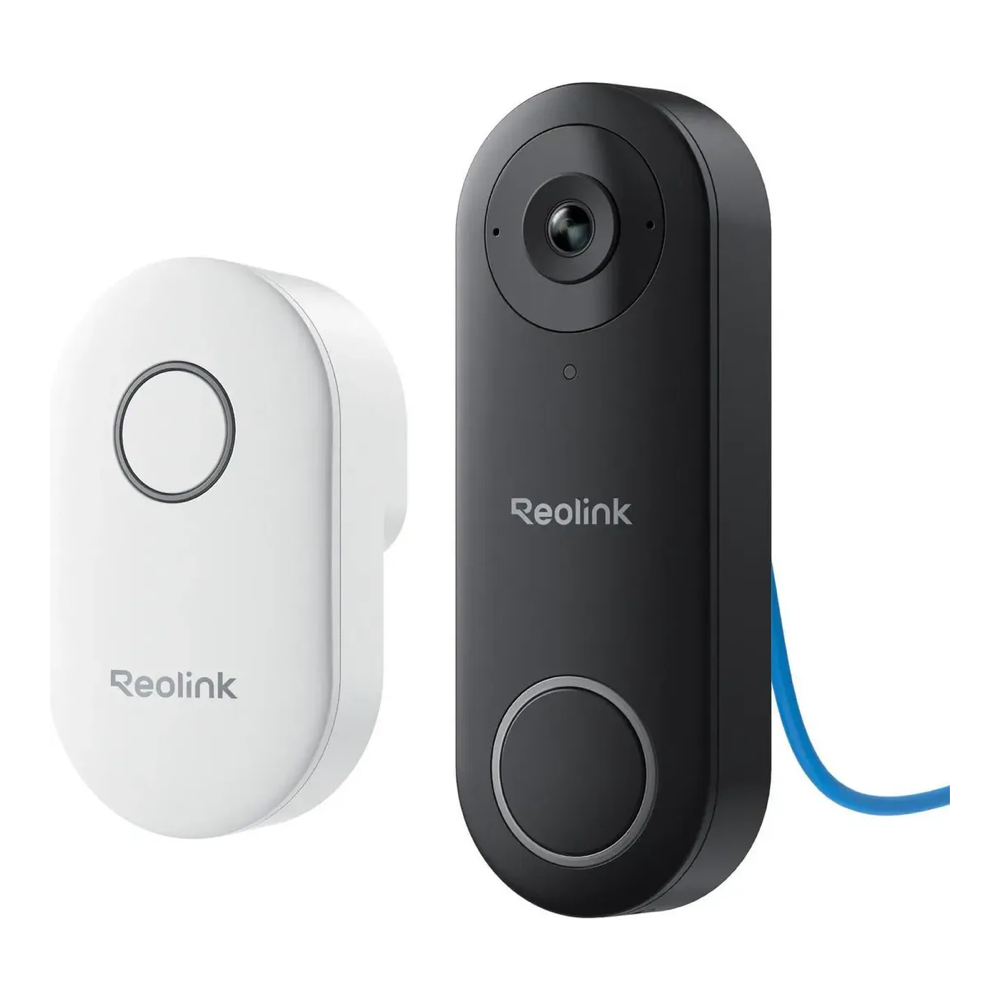
It is a tall 2K image well suited to seeing a person and a package on the step, and being PoE it draws power and data from one cable into your existing switch. Who it is for: anyone who wants the front door inside the same Frigate and Home Assistant view as the rest of the cameras. Skip it if crisp two-way audio is a priority, since the talk channel is only average, or your door has no PoE run. See the live price before committing.
What makes a camera good for Frigate
If none of the picks fit your scene, judge any candidate against the same checklist we used. These are the traits that decide whether a camera is a pleasure or a problem inside Frigate.
- An independent substream. You want a second stream you can set to roughly 1280×720 at 5fps for detection while the main stream records at full resolution. Match the aspect ratio between the two (a 16:9 main pairs with a 640×360 sub, not 640×480) so Frigate’s boxes line up.
- H.264 where you can get it. It is the most compatible codec across Frigate and Home Assistant. H.265 is fine and saves disk, but an H.265-only camera can need extra handling for Apple playback.
- A real sensor, not just megapixels. A larger sensor outperforms a higher pixel count at night. A 4MP 1/1.8″ turret beats an 8MP camera with a pinhole sensor once it is dark.
- ONVIF only matters for PTZ. Fixed cameras record fine over plain RTSP. You only need ONVIF relative movement if you want autotracking, so do not pay for PTZ features on a static wall mount.
- Budget the PoE switch with headroom. A standard turret draws 5 to 7 watts on 802.3af. Spotlight and PTZ models want 802.3at, so size the switch around 30 percent above your total camera draw rather than right at the limit.
- Do the storage math early. A 4MP H.265 stream at around 6Mbps continuous is roughly 60GB per camera per day. Multiply by your camera count and retention days, and record on motion to roughly halve it. That number, not the camera price, usually sets the real cost of the build.
Settle the camera and the rest of the system falls into place. Pick your detector with the accelerator comparison, put Frigate on a small mini PC or a Raspberry Pi, and it slots neatly into the rest of an open-source homelab. The camera is the part you live with for years, so it is the one worth choosing on the spec that Frigate actually cares about rather than the one printed largest on the box.