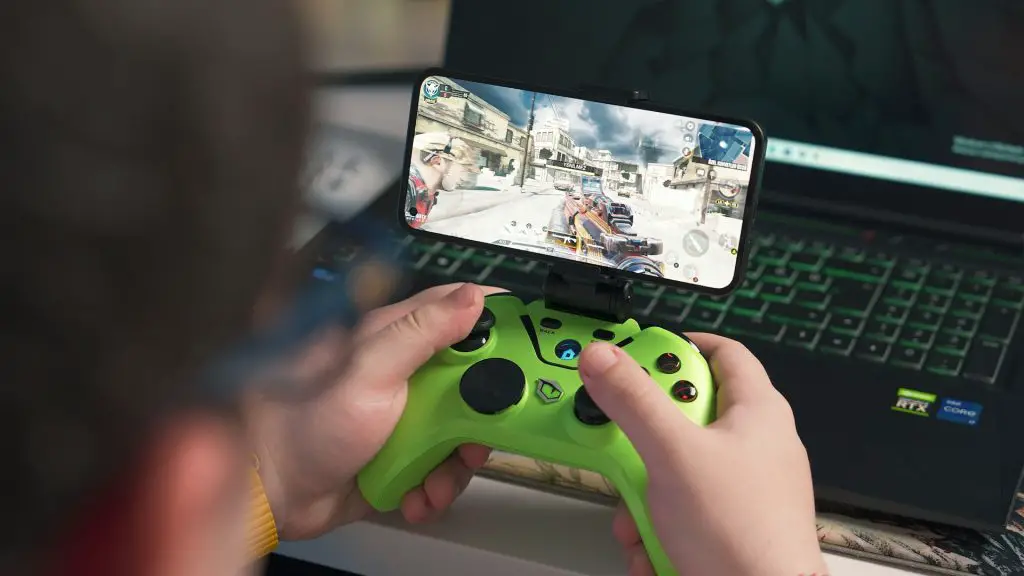
Casual gaming is often underestimated, but even short sessions rely on the same performance fundamentals as high-end play. The way a game feels comes down to small things: smooth motion, steady connections, and a device that stays cool. All of it lives or dies by the hardware running underneath.
Recent findings show that smartphones now account for the majority of entertainment and connectivity worldwide, meaning that light gaming often happens on the same tools people use for work and communication. When a device runs efficiently, it not only keeps games steady but also stays secure and reliable over time. Performance, in this sense, is not about pushing limits; it is about maintaining comfort, reliability, and longevity.
Why Casual Still Needs Performance
Many people believe performance only matters to competitive players, but every interaction with a game depends on how well a device handles input, graphics, and temperature. Pick-up-and-play titles such as EA Sports FC Mobile or Asphalt 9: Legends rely on real-time physics, active network syncing, and high-contrast visuals that can tax weaker chipsets. When the action moves fast, the hardware has to keep up. Each frame needs to hit on time while the system keeps its temperature steady. When it doesn’t, the flow breaks and those quick, easy gestures turn sluggish. When performance drops or a device overheats, even a few seconds of delay can interrupt the flow.
Even the simple rhythm of a fish table game, with players firing at targets that glide through glowing underwater scenes, depends on steady performance to keep the motion seamless and the challenge satisfying. The quick tapping and constant motion only work when graphics render cleanly and input registers instantly, otherwise the rhythm falls apart. This is important because these titles combine precision shooting, fast reactions, and rich animation that can strain lower-end hardware (Source: https://www.cardplayer.com/online-casinos/fish-game-gambling).
It’s proof that even light, skill-based games depend on consistent frame rates and responsive screens to keep their flow intact.
Streaming platforms such as Xbox Cloud Gaming and NVIDIA GeForce Now follow the same logic. Short cloud-based sessions depend on decoding speed, steady temperature control, and low network latency. When these factors align, even a modest laptop or tablet can deliver console-quality smoothness for brief play periods.
Smoothness You Can Feel: Display Refresh and Mid-Range Silicon
A smooth display and an efficient processor decide how natural a game feels. Techweez reported that the Vivo Y29 carries a 120 Hz screen that keeps motion fluid without pushing the phone to heat up. The difference is easy to see: movement feels light, touch stays instant, and the device never seems to strain. It’s proof that smart design can beat brute force. The POCO M6 Pro 5G shows the same idea in action, using adaptive refresh and a tuned mid-range chip to keep lag almost invisible. Together these examples show that crisp graphics and steady play aren’t limited to expensive hardware anymore.
Thermals and Battery Health
Performance is only sustainable when temperature and energy are managed carefully. Good battery size combined with efficient display refresh and smart thermal design helps sustain smooth output over time. Proper cooling keeps the internal components stable, letting graphics processors and screens work without unnecessary strain. For casual players this means smoother gameplay and less wear on their device as time passes.
Longevity Is a Feature: Software Support Policies
Hardware is only half of performance; long-term software maintenance completes the picture. Samsung now promises six years of operating system and security updates for many of its mid-range phones. Another piece from the same outlet confirmed Xiaomi’s plan to extend support on its newest Note line to seven years. That kind of commitment changes everything. Longer updates keep devices safe, keep apps working, and delay the slow creep of obsolescence. For casual gamers, it means an older phone or laptop can still run smoothly instead of fading with each new release.
Networks and Connectivity
Speed and responsiveness don’t rely only on chips and screens. Network quality shapes how well games load assets, sync data, and hold live sessions. Reports from Safaricom’s newsroom detailed the expansion of 5G and home broadband, emphasizing faster data transmission and lower latency. Around the same time, the Communications Authority recorded a sharp rise in mobile data traffic, showing that more users now depend on strong wireless connections for entertainment. Together, advanced networks and capable hardware make even short gaming sessions start instantly, stream cleanly, and update without interruption.
Choosing Devices That Stay Smooth
Everyday gaming thrives on hardware and software that stay steady. Displays at 90 or 120 Hz keep motion smooth and easy on the eyes. Efficient processors prevent lag while multitasking, and ample memory lets devices handle updates without struggle. Larger batteries keep frame rates stable, and strong 5G or Wi-Fi 6 connections make downloads and streaming near-instant. Long software support keeps systems secure. Reports note that more brands now offer these strengths in mid-range devices, while the Communications Authority shows that capable hardware is reaching more users. Together they define real gaming performance: smooth play, lasting comfort, and reliability even for casual players.