Retail practices have evolved significantly over the past years. Technology has contributed a lot to these developments. It has allowed retailers to adopt and better execute strategies to improve sales and other company goals.
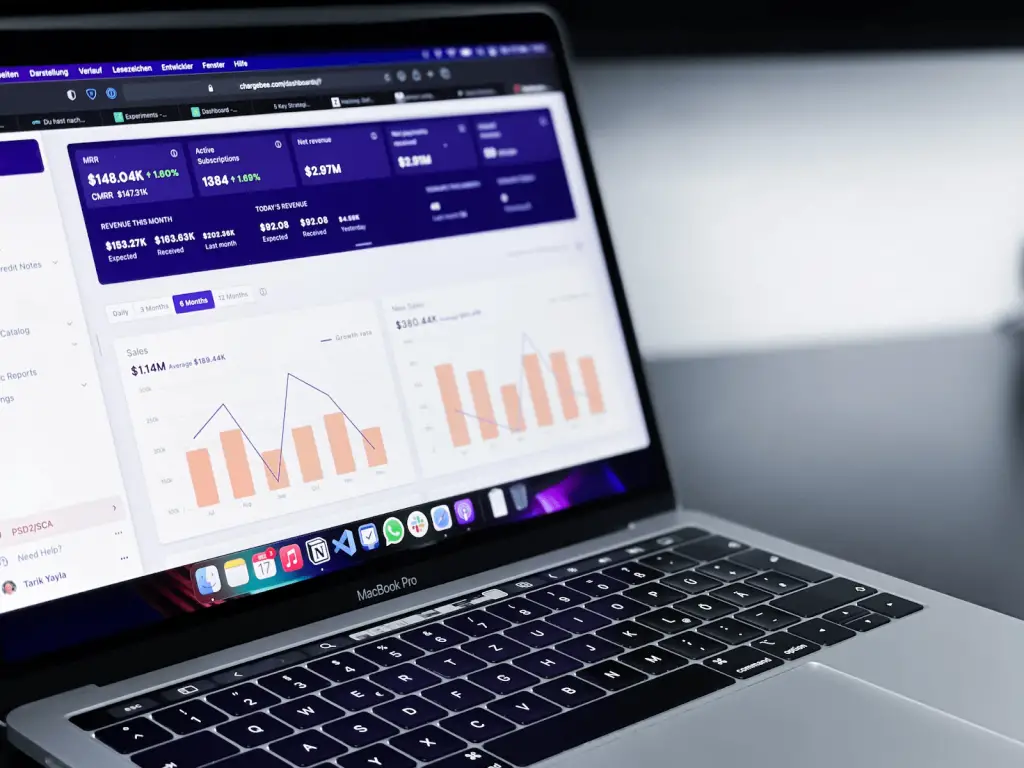
One of these developments is the availability of data. Through various cookies and analytics tools, companies can access a wide range of information that can inform their business decisions and practices.
The global data analytics market was worth $31.8 billion in 2021. Experts predict a market size of $329.8 billion by 2030. This data is evidence of the rising relevance of analytics across various fields and industries worldwide.
One analytics method that offers significant benefits for retail is predictive analytics. This post will discuss its definition, how it works, and how retailers could benefit from it.
What is predictive analytics?
Predictive analytics is a type of advanced data analytics that makes predictions based on historical data. It uses machine learning and statistical data modeling to identify patterns and make predictions based on various data sources.
This field of analytics offers several benefits for retailers and other organizations, such as the following:
- Competitive advantages
- Process and resource optimization
- Improved decision-making
- Better financial forecasting
What data can retailers use for predictive analytics?
Big data has changed the way businesses understand and improve their strategies. Nowadays, companies have access to large amounts of data spanning different areas of their operations.
The following are some types of data retailers can use in predictive analytics:
- Log files
- Transactional databases
- Sales data
- Purchase history
- Customer reviews and feedback
- Product movement
- Weather forecasts
- Location data, etc.
Data analysts can use any combination of various types of data to identify patterns and trends. These insights will then inform their predictions and forecasts.
The bigger your business becomes, the more data you will have to manage. For this reason, many retailers and organizations use machine learning and various software platforms to analyze data and glean valuable insights. Smaller businesses can consult IT support services to aid their current resources.
Some statistical techniques used in predictive analytics include decision trees, logistic and linear regression models, and neural networks.
Uses of Predictive Analytics in Retail
The retail industry can reap significant benefits from predictive analytics. There are several use cases for predictive analytics in retail, some of which we will discuss in more detail below.
Personalized store experiences
Creating personalized customer experiences is something many businesses strive to achieve. According to research by McKinsey & Company, companies excelling at personalization get 40 percent more revenue than others.
Retailers can use data such as shopping preferences and customer demographics to create more personalized store experiences both online and offline.
Retailers can create offers encouraging customers to visit and buy from their stores more frequently. For example, you could analyze someone’s purchase history and offer coupons for products within their preferences.
Product recommendations
Companies can use analytics to predict customer behavior. Through automated algorithms, retailers can make recommendations and tailor marketing messaging utilizing a customer’s purchase history or real-time activity.
These insights can help create attractive product bundles, promotions, or even upselling and cross-selling strategies. Better product recommendations can increase a retailer’s chances of closing a sale.
Pricing
Predictive analytics can significantly improve retail pricing strategies to ensure competitiveness and maximize profit. Analyzing information such as competitor prices, weather forecasts, inventory, and sales data can help retailers create optimal prices for customers.
Analytics can help identify the best price points to attract customers and increase sales while ensuring profitability.
Leverage Data Analytics for Better Retail Results
Predictive analytics is a complex process, as it deals with big data and sophisticated statistical techniques. However, a growing company can benefit from its advantages.
It’s a significant investment that helps retailers stay competitive within their industry and achieve company goals.