

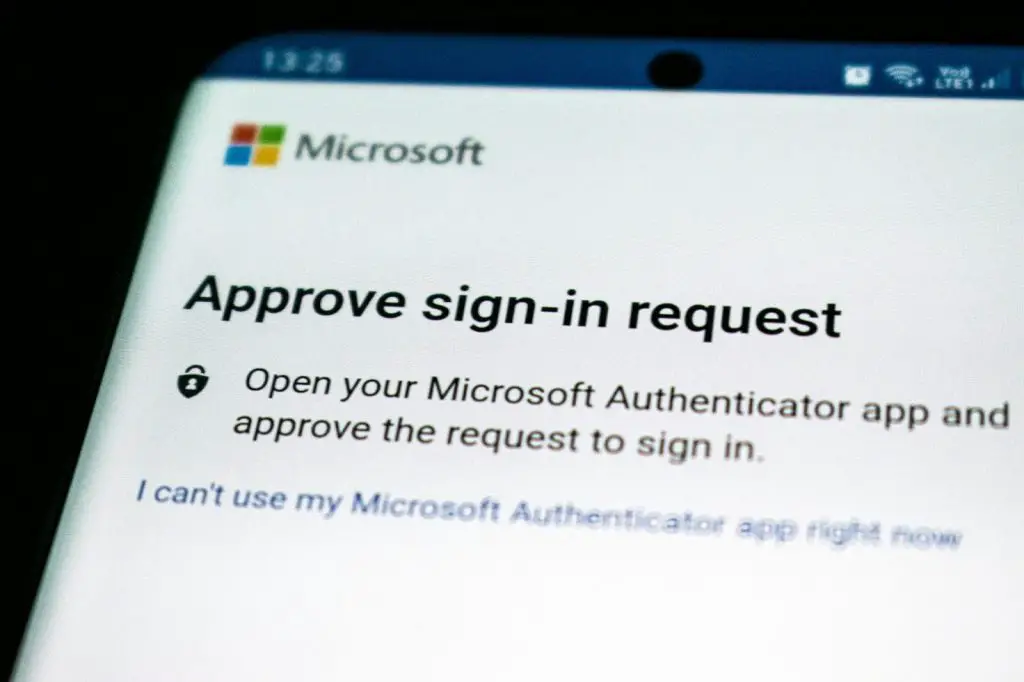
Distributed systems are behind all kinds of apps that spread across microservices, hybrid clouds, and even separate domains. Asking users to log in again and again in setups like this creates a frustrating experience. Single sign-on (SSO) fixes that by letting users sign in once and then move smoothly between different services without stopping to log in every time.
SSO cuts down on extra credential storage for engineering teams. It also decreases security risk and makes it easier to manage user lifecycles across different parts of the system. Finally, it helps teams scale. As new services show up, nobody has to build a fresh authentication flow for each one. Everything fits into the same identity system. This keeps user identification and access consistent everywhere.
Different Use Cases That Make Single Sign-On So Convenient
It becomes obvious why SSO is so helpful when you think about how often people jump between different digital services. It can be anything from checking out at an online store, signing into a banking app, hopping onto a gaming platform, or even exploring no verification online casinos. SSO helps remove friction from all these experiences. In the case of no KYC platforms, the role of crypto wallets effectively serves as verification tools. Logging into a crypto wallet lets users access multiple casino sites without creating separate accounts. The wallet acts as a single sign-on mechanism. This allows seamless movement across platforms while preserving anonymity and cutting out lengthy onboarding steps.
In e-commerce, for example, SSO means users do not have to type out shipping details or payment info at every new store. With financial apps, users can quickly verify who they are without going through a bunch of extra steps. For gamers, one login lets them switch platforms instantly and access purchases and rewards without delays.
SSO is also a big deal in industries like healthcare. Professionals often juggle multiple systems while caring for patients. Having one smooth login flow saves time, reduces mistakes, and helps keep information consistent. These examples make it clear that easy logins are more than a convenience. They are essential for the way people use digital services today.
Clarify the Design
Think of SSO like getting a campus passport for a company with lots of buildings. Instead of carrying a different key for every locked door, your passport gives you access to everything once you pass the main security check. That security gate acts like the identity provider. After it checks your credentials, each building’s security desk trusts the stamp on your passport. If your passport expires or gets revoked, you lose access everywhere until you get cleared again.
Fundamental Components of a Reliable SSO Setup
A reliable SSO system depends on a few main pieces working together. First is the identity provider, often called the IdP or authorization server. This is where the primary authentication happens. It verifies credentials, whether that is a password, multi-factor authentication, or some external identity source. After verification, it issues something that the other services can trust.
Next comes token issuance and management. Instead of sharing raw credentials, the IdP creates structured tokens, like JSON Web Tokens (JWTs). These tokens include identity details and expiration times. Services, often called relying parties, check these tokens, confirm they are valid, and then let users in.
Another important piece is trust. Every service needs to trust the IdP’s signing keys and understand the token format. If this trust is missing, no one can verify tokens, which breaks the entire idea of SSO.
Finally, the system needs a plan for token expiry and refresh. Short-lived tokens help reduce the risk of stolen credentials being used for too long. Refresh tokens or session renewal keep users logged in without constant reauthentication.
Token Management, Session Propagation, and Revocation
Building SSO for a few services is simple. The complexity appears when you scale to dozens or even hundreds. One challenge is making sure sessions work smoothly across domains. As tokens move between services, network issues or slow response times can get in the way. Some services cache token verification results to speed things up, but this can lead to problems if the cache holds onto a token that has already expired or been revoked.
Revocation is another challenge. If a user logs out or a token becomes compromised, all connected services need to know right away. Getting a global logout to work across a distributed system usually requires a central way to track revocation or real-time token checks, which can add overhead.
There are also security threats to consider, like token theft, replay attacks, or impersonation. Protecting signing keys, validating tokens carefully, using short token lifetimes, and sometimes binding tokens to devices can help reduce these risks.
Recommended Practices for Maintainable, Secure SSO
Teams that want an SSO system that is easy to maintain often choose to build a shared, central identity layer. This keeps identity logic out of individual services, avoids duplication, and makes key management simpler.
A common setup uses short-lived access tokens along with refresh tokens. Access tokens stay valid only long enough to complete normal tasks. When they expire, the client asks the IdP for a new one, but only if the refresh token is still good. This keeps sessions smooth while reducing the time window for compromised tokens to cause harm.
Strong logging and monitoring are also important. The system should record token creation, usage, refresh events, and revocations. These logs help detect suspicious activity and show how services rely on identity data. Using infrastructure as code to configure logging ensures everything stays consistent across environments.
When SSO Might Not Actually Suit a Project
SSO does add architectural weight. For small apps or simple deployments, the extra setup might not make sense. If a project has only one service, users only need to sign in once anyway. Adding SSO on top of that can create more work without real benefit.
There are also cases where compliance or strict isolation requirements make per-service authentication a better fit. If each service must keep credentials completely separate or maintain tightly controlled data silos, a centralized identity store might not meet regulatory expectations.
