Ansible Ad-Hoc Commands: Quick Tasks Without Playbooks
Not everything needs a playbook. Sometimes you need to check disk space across 50 servers, restart a stubborn…
Managing a handful of servers by hand is fine. Past ten or fifteen, you start making mistakes: a…
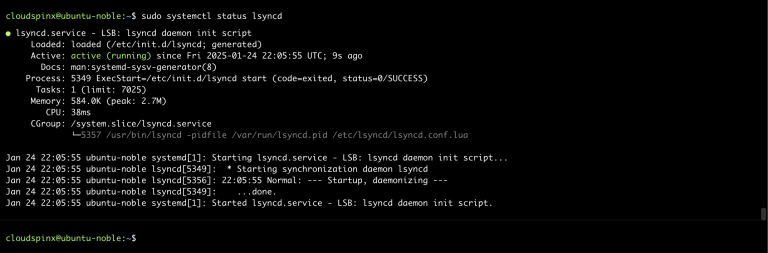
Keeping files synchronized across multiple servers is one of those tasks that sounds simple until you need it…
Managing Docker on a single host is a script. Managing it on five, twenty, or fifty hosts the…
Managing Ansible playbooks across teams gets messy fast when everyone runs them from their own terminal. Semaphore gives…
GitLab CI/CD variables control how pipelines behave. They inject configuration, credentials, and runtime data into your jobs without…
GitLab 18 shipped with a hard PostgreSQL 16 requirement, removed the legacy git_data_dirs configuration, and enforced CI/CD job…
GitLab Runner is the agent that picks up CI/CD jobs from your GitLab instance and executes them. Without…
Most teams get GitLab installed and never touch the CI/CD side because the docs dump too much theory…
GitLab’s built-in Container Registry means you can build Docker images in CI/CD pipelines and push them to a…
Docker gives you the cleanest way to run GitLab CE on a server you control. Everything (PostgreSQL, Redis,…
Running your own GitLab instance means full control over your source code, CI/CD pipelines, container registry, and issue…