

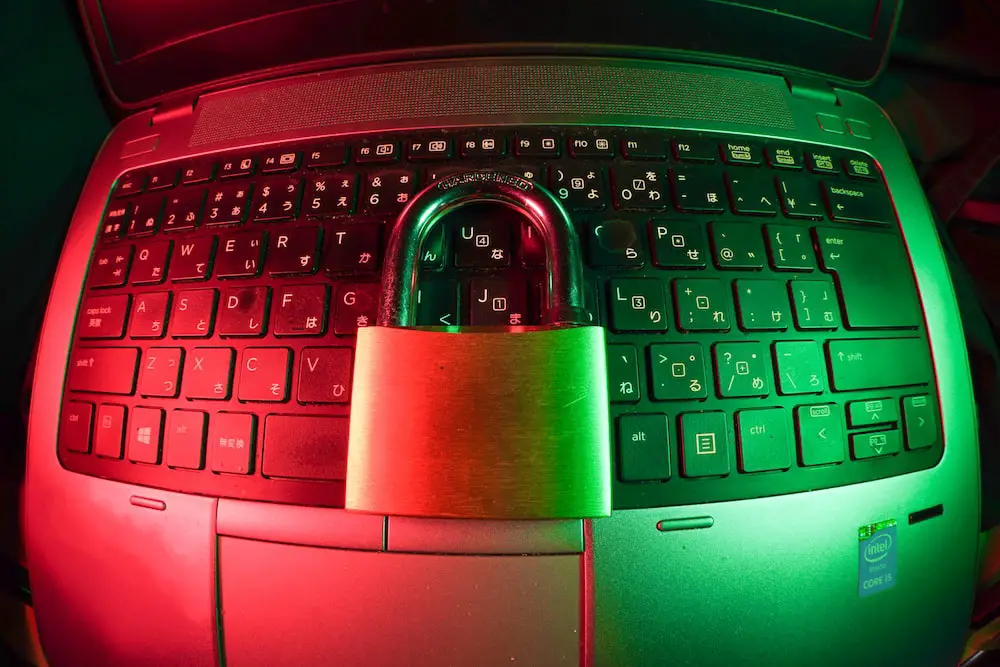
We’re all familiar with the stereotype. Badass leather-clad hackers, fingers flitting in a blur over a backlit keyboard, neon glowing faintly from behind a baseball cap. The enter key is pressed and the words come through in a gravelly voice:
“I’m in.”
The attractiveness of a role in cybersecurity is never played up more than in films. Science fiction genres such as cyberpunk and techno-thrillers, make hacking and cyber security seem like a glamorous vocation. Like you’re surrounded by expensive tech, thrills, and spills of digitally projected realities.
While it’s more than possible to be a hero and help people from behind a computer, there are much fewer special effects and a lot more actual investigative work. However, if you’re a budding crime fighter with a love of computers and a desire to do some real good in the world, the digital forensics industry could be for you.
What Is Digital Forensics?
While your dreams of kung-fu fighting sentient anti-virus programs alongside Keanu Reeves may have been dashed, that doesn’t mean that your dreams of making the world a more secure place through computing has to be.
Digital Forensics is a branch of forensic science that focuses on the recovery of data and evidence from computers and devices related to cybercrime. This involves identifying, preserving, analyzing, and documenting any evidence on any digital device related to a particular crime.
Becoming a Digital Forensic Scientist requires a qualification in Cybersecurity to receive a base knowledge of these digital security structures, however, the two are quite different. Where Digital forensics tracks evidence after an attack, cybersecurity aims to prevent the attack from ever happening. Nevertheless, a qualification in this field is necessary for the pursuit of a digital forensics career. These days, there is greater access to education than ever, with students even able to pursue an online Master’s in Cybersecurity.
What Does It Take?
Just like all jobs, digital forensics requires qualification, but there are also certain traits to a person that make them particularly suited to this job. It can be a lucrative career, but a challenging one if you don’t possess the necessary personality characteristics to genuinely thrive and enjoy this career. Some of the main ones include:
1 – Don’t Like The Spotlight
There is a stereotype around the brainy, where we spend all of our time in a dark basement, squealing like burning vampires should we ever come to the light of day. The unfortunate thing is, there’s a certain minor element of truth to that.
When you find yourself in this career, you’re not going to be at the forefront. You’ll never be the face of the company, most people might not even know about your contribution. If a case you worked on gets reported in the news, you’ll be a part of the ever-honorably-mentioned “digital forensics team.” The point is this isn’t a job to get in if you like public accolades, this isn’t the kind of job where hard work is rewarded with getting your face on the television or local paper. You will get the appreciation of those you work with, and the praise of friends and family (if you’re allowed to talk about cases you work with them.) And that will have to be enough.
2 – Fiercely Analytical
Although not an overtly physical role, digital forensics demands a lot of mental legwork from its workers. You will spend hours in front of a screen, piecing together data and files and creating a tapestry of evidence used to put criminals away.
But you need to enjoy that work. You need to be both frustrated and appreciative of the chase. The puzzle has to have its allure. Your attention to detail will be instrumental in the decisions that can either set the innocent free, or jail the guilty and when you have reams of data to sift through, gifted analytical perspectives are everything.
3 – Communicate
Just like everyone else, in a cyber forensics role, you need to appreciate that not everyone shares your love of technology and computing, and most people know substantially less than you. The very nature of this job is to find information, package it, and then give that information to whoever is running the investigation and tell them how you got it.
Yet you have to communicate these things in a way that a layperson will understand. You can’t go into the technical jargon and the deep specifics of it with everyone, because they haven’t completed the study you have, and they don’t have the experience you do. In this role, the reality is that most of the time you’re going to be speaking in layman’s terms, so if you get frustrated easily when dumbing things down for people, digital forensics probably isn’t the role for you.
Get Started
We are well into a digital revolution. More enhanced and specialized tech is being developed every day. The information we have access to at our fingertips 24/7 has led to our current epoch of humanity being dubbed the “information age.” The time has never been better to break into this hugely interesting career.
